

Deputyship Applications
Deputyship Applications – Managing Someone Else’s Affairs
When a person lacks the mental capacity to make decisions about their finances, property, health, or welfare, it may be necessary to apply to the Court of Protection for a deputyship order. This gives a deputy legal authority to manage another person’s affairs safely, lawfully, and in their best interests.
Deputyship is often required where no Lasting Power of Attorney is in place, or where an existing LPA is not valid or sufficient. The application process is formal and evidence-based, requiring detailed information about the individual’s capacity, financial position, and the suitability of the proposed deputy.
Once appointed, a deputy may be responsible for managing bank accounts, paying bills, dealing with property, handling pensions and benefits, and making ongoing financial decisions. In some cases, health and welfare decisions may also be involved. Deputies must comply with strict legal duties, including supervision and regular reporting to the Office of the Public Guardian.
At Ellis-Fermor & Negus, we support families, carers, and professionals through every stage of the deputyship application process. We provide clear advice on eligibility, required evidence, and Court of Protection procedures, helping ensure applications are accurately prepared and properly submitted.
We also advise on the scope of a deputy’s authority, ongoing responsibilities, and compliance requirements once an order is granted. Our aim is to make the process as straightforward as possible while ensuring full legal compliance at every stage.
Where deputyships are already in place, we can assist with variations, ongoing administration issues, and queries relating to reporting or decision-making duties.
Our role is to combine clear legal guidance with practical support, helping deputies act confidently, protect vulnerable individuals, and manage affairs effectively in accordance with their legal obligations.
Have a question? Jump to our FAQs ↓
Make a Free Enquiry Today

‘Very happy with the service and guidance received and would have no hesitation recommending Grace to others. Grace was excellent.’
Grace Steele
Director and Head of Wills and Probate
Why choose Ellis-Fermor & Negus?
Experts in deputyship applications and Court of Protection matters, with years of experience.
Guidance for both family and professional deputies, tailored to your circumstances.
Clear, practical advice on responsibilities, legal compliance, and ongoing reporting duties.
Local solicitors across the East Midlands, with experience supporting clients nationally.
Support that reduces stress while safeguarding assets, wellbeing, and compliance.
Meet the team

Grace Steele
Grace is a Director and head of our Wills and Probate Department, with over 30 years’ experience in Private Client work in the East Midlands area. Graduating in Law from Sheffield University she trained with a large law firm in Derby. Grace specialises in Inheritance tax planning, Wills, complex and high-value Probate Administration. Grace has…
01773 307 362 | 07562 398394
grace.steele@ellis-fermor.co.uk
Grace Steele is based at our Belper Office.
View profile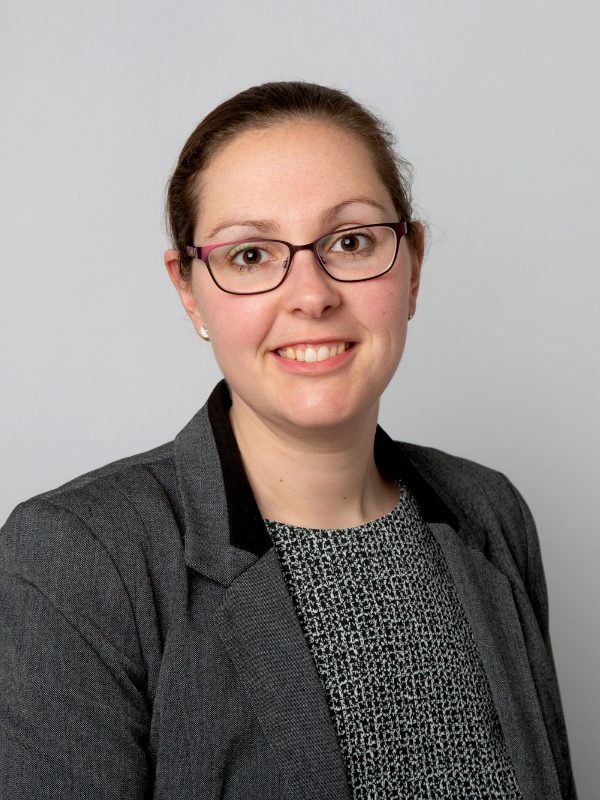
Kim Kirk
Kim is a qualified Solicitor and became Deputy Head of Department for Wills and Probate as of April 2025. Kim was made an Associate Solicitor as of May 2025. Kim graduated in law in Sheffield and completed her Legal Practice Course in Nottingham. Kim qualified as a Solicitor in 2012 after completing her training in…

Luke Smyth
Luke is an experienced solicitor and joined Ellis-Fermor Negus in May 2023 as part of the Long Eaton Private client team. He joined the Ripley team in May 2024. Luke qualified as a solicitor in 2014 and has worked in the legal industry since 2005. Luke studied at Sheffield University, graduated in Law and completed…
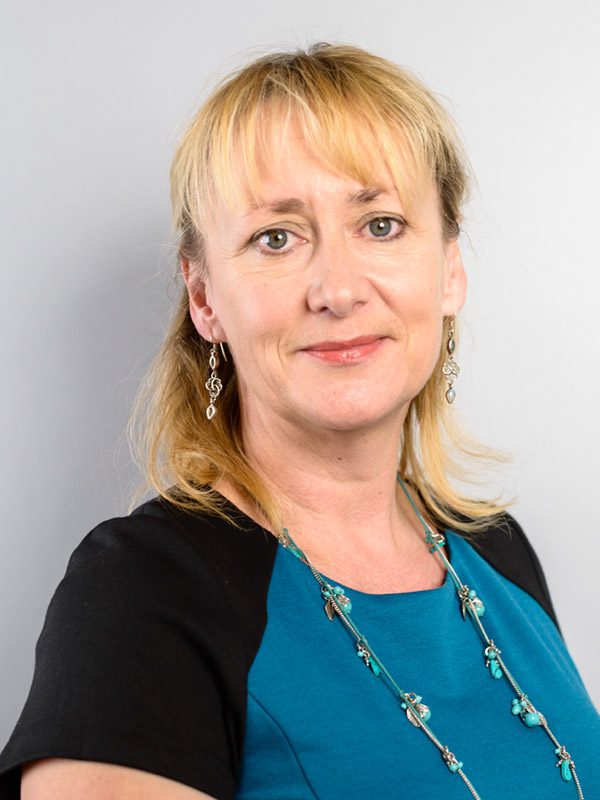
Joanna Bridges
Joanna qualified as a Chartered Legal Executive in 1996 and joined us in 2012 to work in the Wills & Probate department at our Beeston office. Joanna specialises in Wills & probate matters, acting in the preparation of Wills and Lasting Powers of Attorney and in the administration of estates. She also deals with Court…
0115 922 1591
Joanna.Bridges@ellis-fermor.co.uk
Joanna Bridges is based at our Beeston Office.
View profile
Rosie Woodward
Rosie is currently on Maternity leave until 2026. Rosie Woodward is an experienced Legal Executive and joined Ellis-Fermor & Negus Solicitors in November 2022 as part of the Belper Private Client team. Rosie completed a Law degree in Sheffield in 2017 and then trained at a rural branch office of a large Sheffield-based firm, qualifying…
01773 821 665
rosie.woodward@ellis-fermor.co.uk
Rosie Woodward is based at our Belper Office.
View profile
Kenley Flint
Kenley started her career at our Ripley office in 2002 as an office junior straight from school. She then went on to become a Legal Secretary and has experience in Personal Injury, Conveyancing and Litigation. Kenley also completed 2 years at college, to qualify as a Paralegal in 2006. After taking some time out to…
01773 821665
Kenley.Flint@ellis-fermor.co.uk
Kenley Flint is based at our Belper Office.
View profile
Elina Topham
Elina Topham joined our Belper team in July 2023 as a Paralegal in Wills & Probate. Elina has gained extensive legal knowledge working at local firms in Derbyshire and South Yorkshire in various different roles. Elina is experienced in advising and assisting clients with Wills, Lasting Powers of Attorney, Court of Protection and Estate Administration…
01773 821 665
elina.topham@ellis-fermor.co.uk
Elina Topham is based at our Belper Office.
View profile
Khloe Drabble
Khloe joined the Wills and Probate team at Ripley in 2025 having qualified as a Solicitor in 2023. She graduated from the University of Derby for both her law degree and legal practice course which she followed with a training contract at a firm in Nottinghamshire. Khloe specialises in Wills and Lasting Powers of Attorney.…
01773 744744
khloe.drabble@ellis-fermor.co.uk
Khloe Drabble is based at our Ripley Office.
View profile
Shane Nightingale
Shane is a Private Client Fee Earner in our Wills & Probate department at our Belper Office having joined us in April 2025 with previous experience in Wills & Probate at another local firm. Originally from Peterborough, Shane moved to Derby where he studied LLB Law at the University of Derby, graduating in 2022 with…
0115 821 665
shane.nightingale@ellis-fermor.co.uk
Shane Nightingale is based at our Belper Office.
View profile
Elissa Dagnall
Elissa is a Private Client Fee Earner in the Wills and Probate team at our Beeston office. Originally from London, Elissa moved to Nottingham to study Law at the University of Nottingham. After graduating, Elissa completed an internship year at Trent Vineyard Church, helping within their Compassion ministry projects. Elissa then went on to work…
0115 922 1591
Elissa.Hartley@ellis-fermor.co.uk
Elissa Dagnall is based at our Beeston Office.
View profile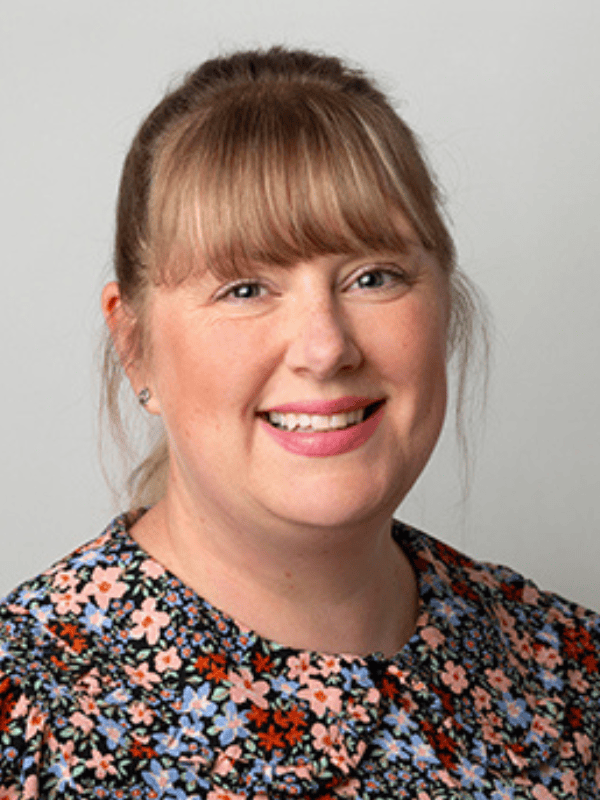
Rebecca Green
Rebecca grew up in Long Eaton and started her career at Ellis-Fermor & Negus in 2002 as an office junior. Rebecca has worked in the legal industry for over 20 years and qualified in 2015. She re-joined the Long Eaton office in April 2024 as a Chartered Legal Executive in the Wills and Probate Department.…
0115 972 5222
Rebecca.Green@ellis-fermor.co.uk
Rebecca Green is based at our Long Eaton Office.
View profile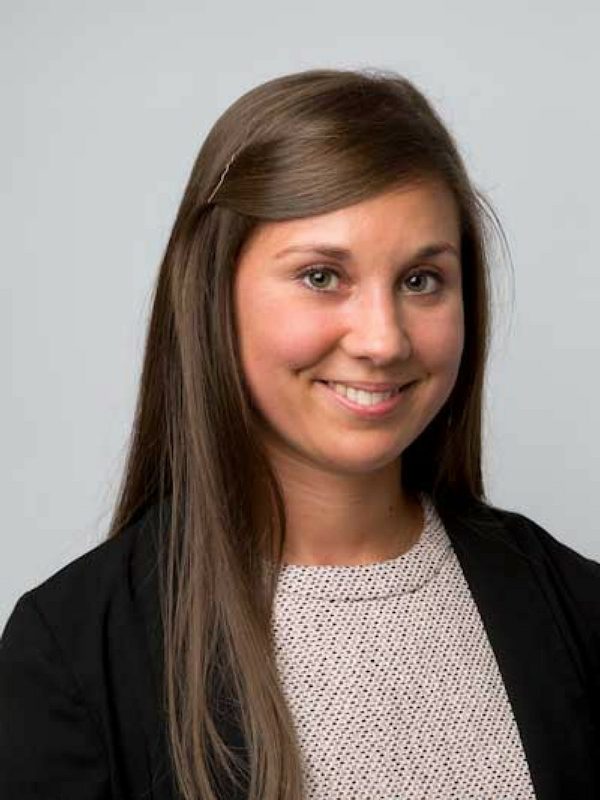
Laura Ambalavanar
Laura is currently on Maternity leave until 2026. Laura qualified as a Probate Paralegal in November 2016 and has 4 years’ experience in Private Client work. Laura has experience in the preparation of Wills, Lasting Powers of Attorney and the administration of straightforward estates and works alongside Rebecca Green on all other Private Client work.…
0115 972 5222
Laura.amba@ellis-fermor.co.uk
Laura Ambalavanar is based at our Long Eaton Office.
View profile
Matthew Insley
Matt is a Private Client Fee Earner in the Wills and Probate department at our Long Eaton office, he joined Ellis-Fermor & Negus in January 2025. Matt studied Law at the University of Hull and graduated in 2022. In 2023 Matt started studying for his LPC which he does part time at the weekends. Matt…
0115 697 7269
matthew.insley@ellis-fermor.co.uk
Matthew Insley is based at our Long Eaton Office.
View profile
Jordan McGregor
Jordan is a Trainee Solicitor currently working in the Wills and Probate team at our Beeston office. Originally from Dorset, Jordan moved to Cardiff where he studied law at Cardiff University, where alongside his final year of study, he completed an internship year at his church Cardiff Vineyard. After graduating, Jordan spent a week with…
0115 922 1591
jordan.mcgregor@ellis-fermor.co.uk
Jordan McGregor is based at our Beeston Office.
View profile
Reviews, what our clients are saying…
Frequently Asked Questions
A deputy is someone appointed by the Court of Protection to make decisions for a person who cannot manage their own affairs. Deputyship is typically needed when no Lasting Power of Attorney (LPA) exists, or the existing LPA does not cover all necessary powers.
There are two main types of deputyship:
- Property and Financial Affairs Deputyship – Allows the deputy to manage finances, pay bills, sell property, or invest money responsibly.
- Health and Welfare Deputyship – Enables the deputy to make decisions about care, medical treatment, or living arrangements.
Deputies have a legal duty to act in the person’s best interests, following Court guidance and reporting requirements.
We assist clients who:
- Need to apply to the Court of Protection to become a deputy.
- Are family members, friends, or professionals acting in someone’s best interests.
- Require guidance on powers, responsibilities, and reporting duties.
- Want to ensure full compliance with Court of Protection rules.
Applying to become a deputy can feel daunting. We support clients through every stage:
1. Assessment of CapacityConfirming that the person lacks the capacity to make the relevant decisions.
2. Application to the Court of ProtectionPreparing and submitting all necessary forms, evidence, and supporting documents.
3. Appointment of DeputyThe Court grants authority and defines the deputy’s powers.
4. Ongoing ResponsibilitiesDeputies must report annually to the Office of the Public Guardian (OPG) and act in the best interests of the person.
Our guidance ensures the process is efficient, legally compliant, and minimally stressful, allowing deputies to focus on supporting the person effectively.
Family members, friends, or qualified professionals can be appointed by the Court of Protection to manage financial or welfare decisions.
Contact Us
If you are considering a deputyship application or need guidance on managing someone’s affairs:
• Phone:
0115 972 5222 (Long Eaton)
0115 896 3390 (West Bridgford)
0115 922 1591 (Beeston)
01773 821665 (Belper)
01773 744744 (Ripley)
• Email: infomation@ellis-fermor.co.uk
• Online Enquiry: ellis-fermor.co.uk/contact-us